
Final New‑Construction Inspection in Central Florida: What Builders Still Miss
Final New‑Construction Inspection in Central Florida: What Builders Still Miss
Buying a brand‑new home should feel like a victory lap. Fresh paint, new appliances, modern systems—what could go wrong?
In reality, new construction homes frequently have defects, and many of them are easy to miss if you don’t know where to look. As a third‑party home inspector specializing in new construction across Central Florida, we see the same issues appear again and again—even in homes that have already passed municipal inspections.
This article explains why a final new‑construction inspection matters, what inspectors commonly find, and how it protects buyers before closing.
Why New Homes Still Have Problems
Builders today are working under intense pressure:
- Tight construction schedules
- Multiple subcontractors rotating in and out
- Labor shortages
- High volume production builds
Municipal inspections focus on minimum code compliance, not overall quality, performance, or long‑term durability. Code inspectors also cannot spend several hours at each home.
A third‑party inspection fills that gap.
What a Final New‑Construction Inspection Covers
A final inspection takes place when the home is substantially complete, typically within days of closing. At this stage, systems are energized, finishes are installed, and deficiencies are easiest to identify—and correct.
A comprehensive final inspection evaluates:
- Roofing and exterior components
- Attic structure and insulation
- Electrical systems and panels
- Plumbing fixtures and drainage
- HVAC operation and airflow
- Windows, doors, and glazing
- Interior finishes and safety items
- Garage components and fire separation
Common Issues Found in Brand‑New Homes
Below are real‑world examples documented during recent final new‑construction inspections in Central Florida. These conditions were observed in homes that were otherwise considered “move‑in ready.”
Here are some of the most frequent findings we document during final inspections:
1. Roof Installation Defects
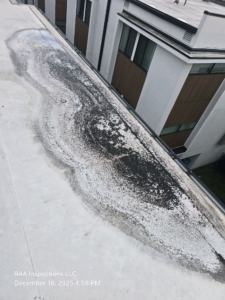
Water ponding observed on a newly installed roof during a final new-construction inspection. This condition should be corrected prior to closing to help prevent premature roof deterioration and future leaks.
2. Improper Attic Conditions
- Insulation voids or compression
- Disconnected ductwork
- Improper truss modifications
- Bathroom fans venting into the attic
These issues affect comfort, efficiency, and moisture control.
3. Electrical Panel Deficiencies
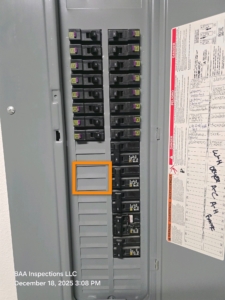
New-construction electrical panel observed without a whole-home surge protector installed—an important safeguard for modern appliances and sensitive electronics.
4. Plumbing Problems
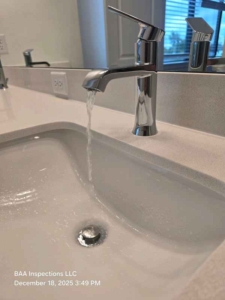
Low water pressure noted at a bathroom sink during functional testing at a final inspection, indicating a possible supply or installation issue.
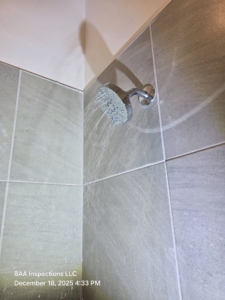
Reduced water flow observed at a shower fixture during inspection. Water pressure issues should be addressed prior to occupancy for proper daily use.
5. HVAC Performance Issues
Even when systems turn on, they may not perform correctly. Temperature differentials, airflow imbalances, and incorrect thermostat setup are common—and affect comfort from day one.
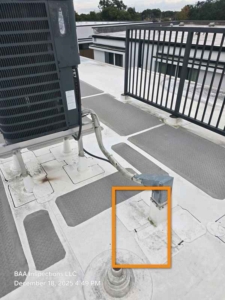
Rooftop air-conditioning condenser observed without a required local disconnect. A nearby shutoff is needed for technician safety and servicing and should be installed prior to closing.
6. Windows, Doors, and Seals
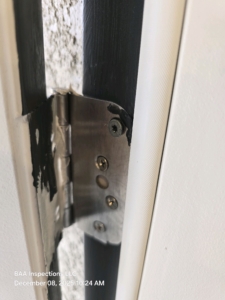
Improperly secured door hinge observed during a final new-construction inspection. Missing or loose fasteners can affect proper door operation and long-term durability if not corrected.
Improperly sealed windows and doors lead to air leakage, moisture intrusion, and higher energy bills. These are easy fixes before closing and much harder later.
7. Safety and Finish Items
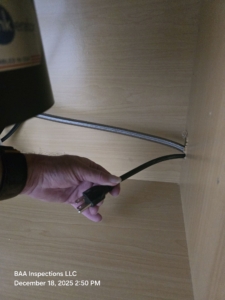
Dishwasher power cord too short to reach the receptacle, rendering the appliance inoperable.
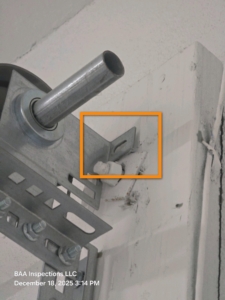
Improper garage door track attachment observed. Garage door systems are under significant spring tension, and improper mounting can present a safety hazard if not corrected.
Why Timing Matters
Once you close, leverage shifts dramatically.
Before closing:
- Builders are motivated to resolve issues
- Repairs can be documented and verified
- You avoid warranty delays and disputes
After closing:
- Issues become warranty claims
- Response times slow down
- Documentation becomes critical
A final inspection gives you clear, written leverage before you sign.
The Value of an Independent Inspector
A third‑party inspector works for you—not the builder. The goal isn’t to criticize construction, but to:
- Identify defects objectively
- Document conditions clearly
- Communicate findings professionally
- Support a smoother closing process
Most builders appreciate thorough, well‑documented reports because they allow issues to be addressed efficiently.
Final Thoughts
A new home is one of the largest investments most people will ever make. Just because it’s new doesn’t mean it’s perfect.
A professional final new‑construction inspection provides peace of mind, documentation, and confidence—right when it matters most.
If you’re building or purchasing a new home in Central Florida, consider a third‑party inspection as the final step in protecting your investment.
Looking for more new‑construction insights? Explore our New Construction Hub or reach out anytime with questions about your build timeline, inspections, or builder coordination.

